
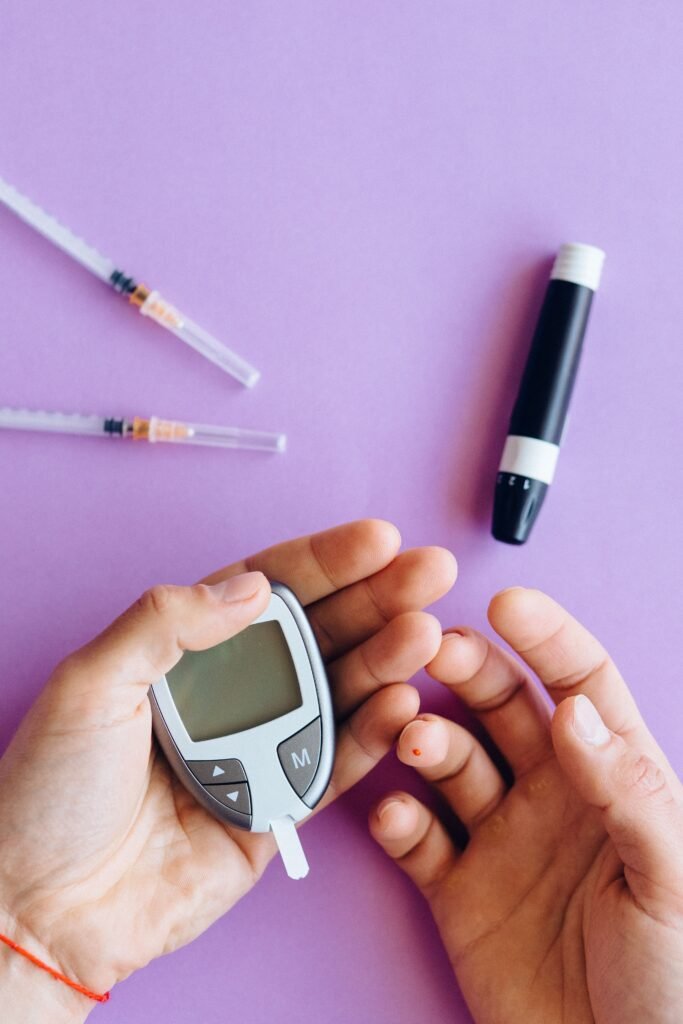
Ozempic, Mounjaro, Wegovy — at some point over the past two years, you’ve probably heard one of these names, whether from a relative who lost weight, a controversial headline, or a viral video. But behind the aesthetic hype lies a much more interesting story: these medications may be protecting the heart and kidneys of millions of people — even those who never set out to lose weight.
How these drugs actually work
GLP-1 is the name of a hormone your own gut already produces naturally after you eat. It tells your brain “I’m full,” slows down stomach emptying, and helps the pancreas control blood sugar. Drugs like semaglutide (Ozempic/Wegovy) and tirzepatide (Mounjaro) are synthetic versions of this hormone, at doses far more potent and long-lasting than what the body produces on its own.
It was originally created to treat type 2 diabetes. The weight-loss effect showed up as such a striking “side effect” that it became the most popular use — but scientifically, that’s just the tip of the iceberg.
The discovery that changed the game: heart protection
The SELECT trial, published in the renowned New England Journal of Medicine, followed people with established heart disease and overweight or obesity, but without diabetes — and found something remarkable: those on semaglutide had significantly fewer heart attacks, strokes, and cardiovascular deaths than those on placebo [1]. This was the first major evidence that the drug protects the heart even outside the context of diabetes, meaning independently of “just” controlling blood sugar.
And the kidneys? The news is just as good
The FLOW trial followed 3,533 people with type 2 diabetes and chronic kidney disease — a dangerous combination that often progresses to dialysis. The results, published in the American Journal of Kidney Diseases in 2024, showed a significant reduction in serious kidney complications among semaglutide users [2]. For anyone living with the quiet fear of “one day needing dialysis,” this kind of result changes a lifelong prognosis.
A meta-analysis pooling several randomized trials, with a systematic search of databases like MEDLINE, Embase, and Cochrane through March 2024, confirmed the same pattern in larger populations: less kidney failure, less decline in kidney function, and fewer deaths from kidney-related causes among GLP-1 users [3].
Why does this happen beyond weight loss?
Here’s the fascinating detail: the benefits don’t come from weight loss alone. Daniel Drucker, one of the most respected researchers in this field, explains in an article published in the journal Science in 2024 that part of the protection comes from a direct anti-inflammatory effect of the drug [4]. A study called STEP, published in eClinicalMedicine, showed a drop in C-reactive protein — a classic marker of inflammation in the body — even in people who didn’t lose that much weight [5]. In other words, the drug seems to “calm” silent inflammatory processes that, over the long run, damage the heart and kidneys.
But it’s not all good news: what you need to know before considering it
It’s easy to get excited about these results, but a few points deserve serious attention before any decision:
- Gastrointestinal side effects are common at the start — nausea, reflux, constipation — and tend to improve with gradual dose adjustment.
- Muscle mass loss can happen alongside weight loss, which is why maintaining strength training and adequate protein intake during treatment is essential.
- Unregulated compounded versions circulate on the market without the same quality and safety controls as the studies cited here — the risk of wrong dosing or contamination is real.
- The effect isn’t permanent — most studies show weight regain when the medication is stopped without accompanying lifestyle changes.
Scientific references
- Lincoff et al. (2023). Semaglutide and cardiovascular outcomes in obesity without diabetes (SELECT trial). New England Journal of Medicine, 389, 2221-2232.
- Perkovic et al. (2024). Effects of semaglutide on chronic kidney disease (FLOW trial). American Journal of Kidney Diseases.
- Meta-analysis of randomized trials on renal and cardiovascular outcomes of GLP-1 receptor agonists (2025). PubMed.
- Drucker, D.J. (2024). The benefits of GLP-1 drugs beyond obesity. Science, 385, 258-260.
- Verma et al. Effects of once-weekly semaglutide 2.4 mg on C-reactive protein (STEP 1, 2, and 3 trials). eClinicalMedicine, 55, 101737.